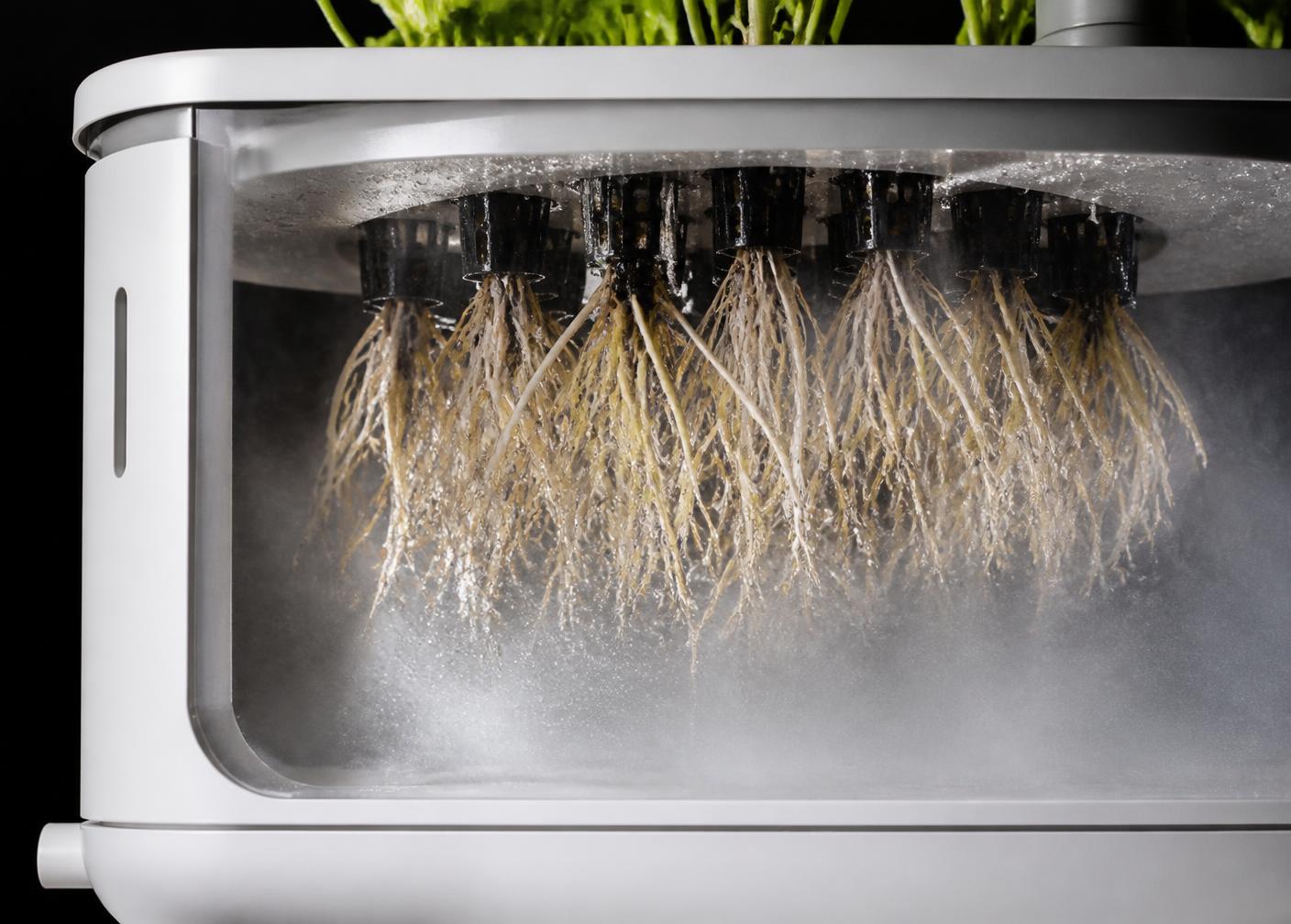
Closed-loop recirculation
Closed-loop water and nutrient management of the system.
Blue Circle Certification
Blue Circle Certification is the system designed to assess, document and add value to the practices adopted by farming businesses.
What it certifies
Blue Circle Certification is not a marketing sticker: it is a structured path that assesses defined requirements on the basis of verified evidence and returns a score through a transparent methodology.
Blue Circle certification is a proprietary standard for soilless farming with water recirculation: hydroponics, aquaponics, aeroponics, bioponics and similar methods. It does not replace and is not equivalent to organic, ISO, GlobalG.A.P. or other official schemes.
What the company must comply with, defined in the Blue Circle standard.
Measurable quantities that make every requirement comparable.
Data, records and documents proving the declared conditions.
An orderly collection of the evidence supporting the assessment.
Verification of evidence and declared conditions, on site where needed.
Analysis according to the Blue Circle methodology.
Scores assigned per area and overall.
Outcome, issuing of the certification and CERTIFIED showcase.
Certification method
Six stages, from the first assessment to ongoing monitoring.
If the company turns out not to be certifiable, the process stops: only the fixed cost is invoiced and we discuss together the points to improve for a future assessment.
Analysis of the company and the applicable requirements, starting from an introductory video call.
Documentation and data supporting the requirements, through the self-assessment form.
Checking the evidence and the declared conditions.
Scores assigned according to the Blue Circle methodology.
Issuing of the result, the certificate and the CERTIFIED showcase on the portal.
Annual review, with the option to maintain and update the information over time.
Assessment areas
The Blue Circle standard focuses on closed-loop water and nutrient management. The assessment areas listed here reflect the structure of the standard, which is being published.
Closed-loop water and nutrient management of the system.
Integrated pest management and waste reduction.
For aquaponic systems: rearing conditions and water quality.
Energy sourcing and impact reduction.
Detailed indicators and per-area scores will be published together with the full standard.
Fee and transparency
The fee depends on the size and complexity of the facility. Here are three typical examples: the final fee is confirmed after the assessment.
Class 1
From €490
Typical example
Class 2
From €1,800
Typical example
Classes 3 & 4
Tailored solutions
Capped at €4,500
Typical example
First-year fee: includes the documentary review, issuing of the certificate and the CERTIFIED showcase. From the second year the maintenance fee is reduced by 50%. Prices exclude VAT; any travel costs for on-site assessments are quoted separately.
Licence to use the Blue Circle mark on products and on site, printed certificate, annual review.
Priority CERTIFIED showcase on the Blue Circle portal with direct B2B contacts and available batches.
QR batch traceability and the CERTIFIED showcase, available on any software plan, including Base.
In development for certified members: a growers' network to share ideas and experience, and technical webinars with suppliers, consultants and researchers.
Certification requests area
Register your company, fill in the data, select requirements, attach evidence and follow status and outcome.
ESG principles
Environment, social responsibility and governance: the three axes on which the Blue Circle standard builds requirements, evidence and scoring.
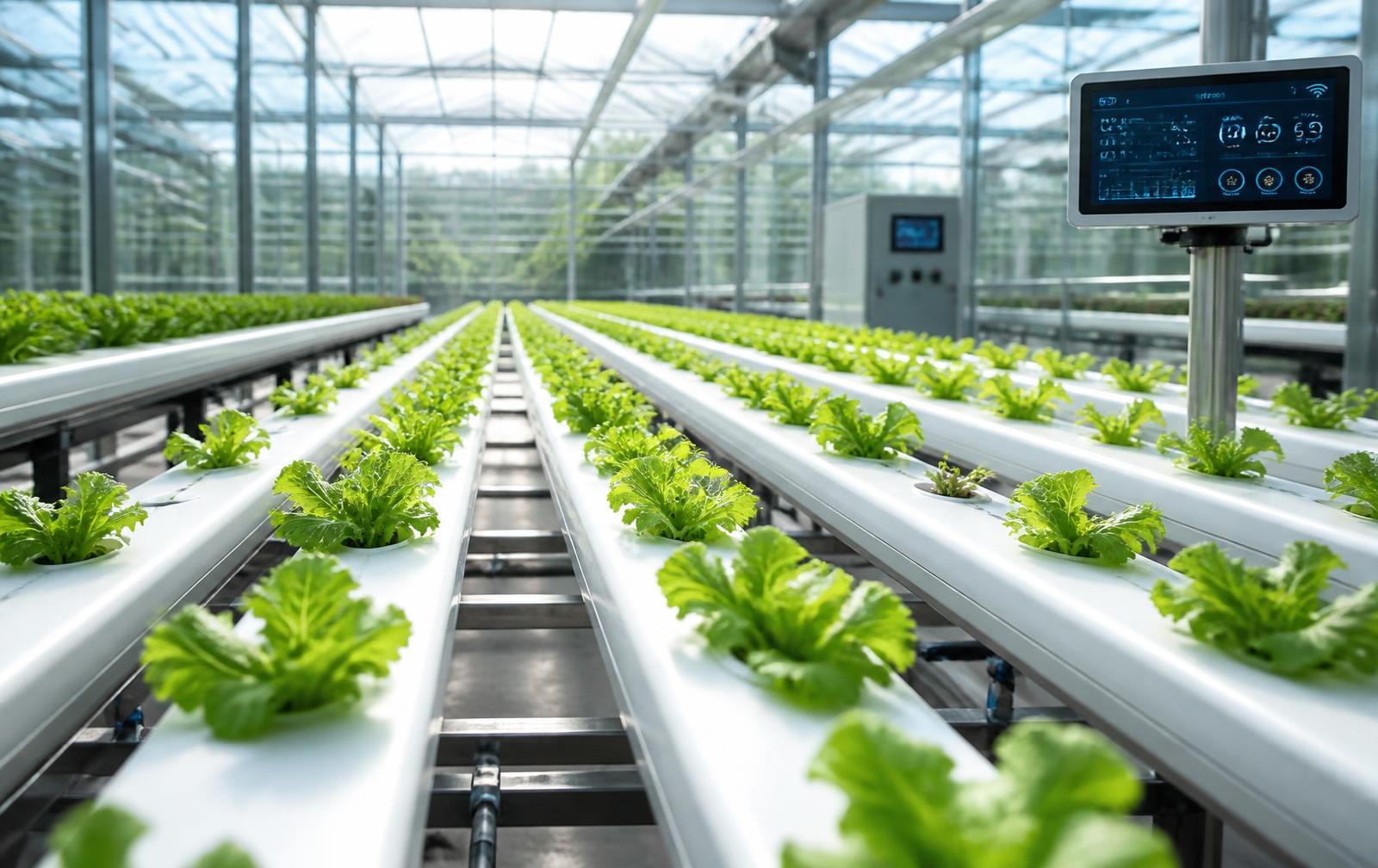 Environmental
The environmental impact of production, measured on the real consumption of the facility.
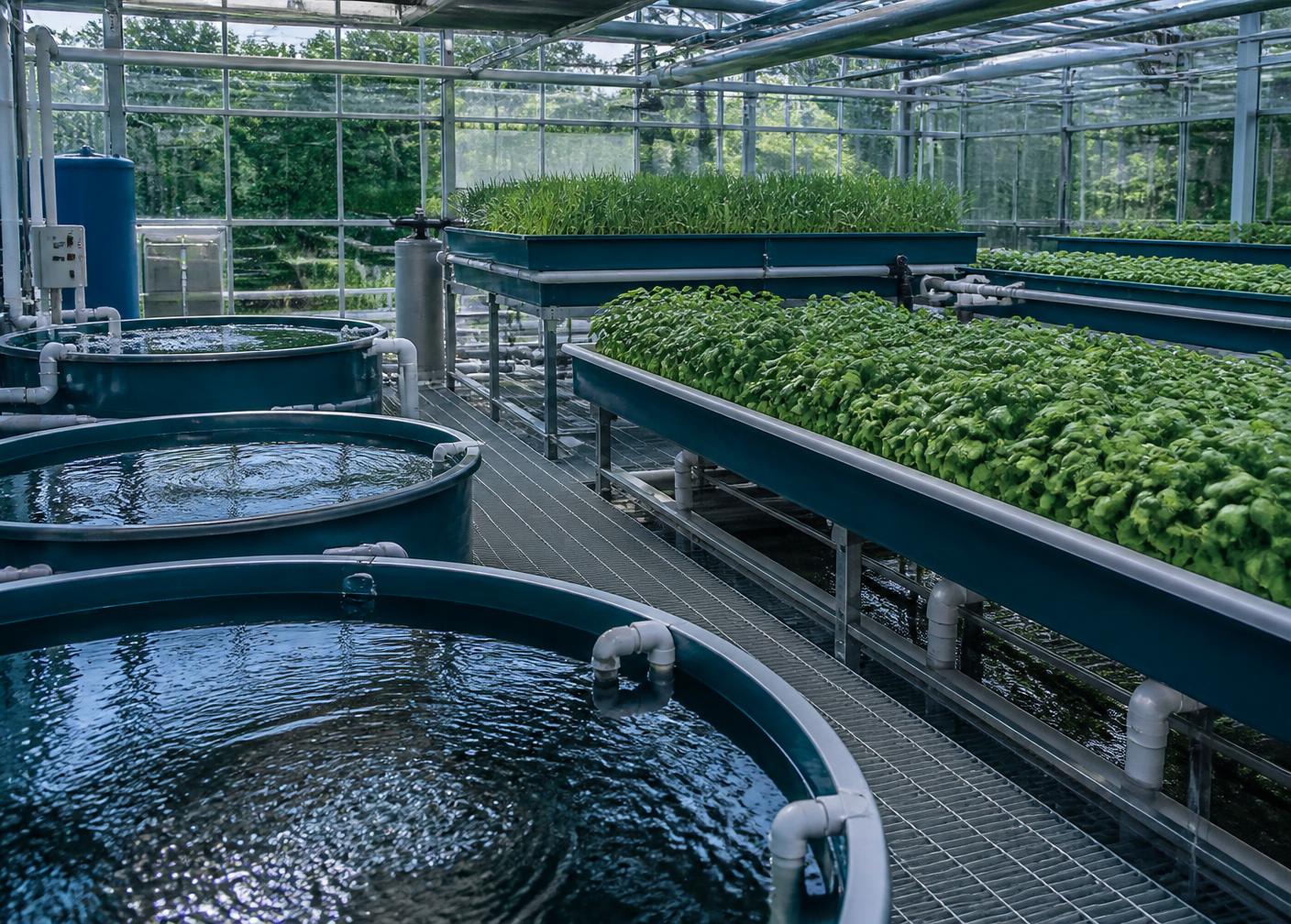 Social
Responsibility towards people, animals and the end consumer.
 Governance
Written rules, verifiable evidence and accountability in the use of the mark.
The principles summarised here derive from the Blue Circle technical standard. The full document is shared with companies during the certification path.
Who it is for
To document and add value to their production model.
To make production processes measurable and verifiable.
To document practices, consumption and performance.
To add value to an integrated production model.
To document the use of organic-based nutrient solutions in recirculating systems.
To make water use, nutrients and system efficiency comparable.
To increase transparency and the ability to communicate their value.
To create shared criteria and comparable information.
Ecosystem
The software helps the company collect and organise data; the certification uses evidence and audits to assess compliance with the requirements of the Blue Circle model. They are independent products, designed to work together.
It starts with a no-obligation introductory video call: together we look at your system, the applicable requirements and the fee.